




In our increasingly cashless society, debit and credit cards are indispensable tools for managing our finances. But with the convenience they offer comes the persistent threat of cybercriminals lurking in the digital shadows, eager to exploit vulnerabilities. Protecting your plastic (and the funds they represent) from hackers requires a multi-layered approach, combining smart habits with leveraging the security features offered by banks and payment networks.
Let’s delve into how you can safeguard your debit and credit cards, both in the physical world and online.
Understanding the Threats: How Hackers Steal Card Information
Before we discuss protection, it’s vital to understand the common tactics hackers use to get their hands on your card details:
- Phishing & Smishing: These are social engineering attacks where criminals impersonate legitimate organizations (banks, online retailers, government agencies) through emails, text messages, or even phone calls. They trick you into revealing sensitive information like your card number, PIN, CVV, or login credentials by creating fake websites or a sense of urgency.
- Skimming & Shimming: These are physical devices attached to card readers at ATMs, gas pumps, or POS terminals. Skimmers read the magnetic stripe, while shimmers are thin chips inserted into EMV card slots to steal data from chip cards. Often, tiny cameras are also installed to capture your PIN.
- Malware & Spyware: Malicious software installed on your computer or smartphone (often through suspicious downloads or phishing links) can record your keystrokes, track your Browse history, and steal sensitive information as you type it.
- Public Wi-Fi Vulnerabilities: Unsecured public Wi-Fi networks (like those in cafes or airports) can be easily intercepted by hackers. If you conduct transactions on such networks without a VPN, your data could be exposed.
- Data Breaches: Even if you’re careful, companies you’ve transacted with might suffer a data breach, exposing your card information to hackers.
- Physical Theft & Shoulder Surfing: Old-fashioned theft of your wallet or purse remains a risk. Additionally, “shoulder surfing” involves someone looking over your shoulder to memorize your card details or PIN as you enter them.
- Dumpster Diving & Mail Theft: Discarded bank statements, credit card offers, or receipts with your personal information can be collected from trash by criminals. Mail theft can also provide them with new cards or sensitive documents.
Fortifying Your Defenses: Essential Tips for Card Security
Here’s how you can proactively protect your debit and credit cards:
I. Physical Card Security (Offline)
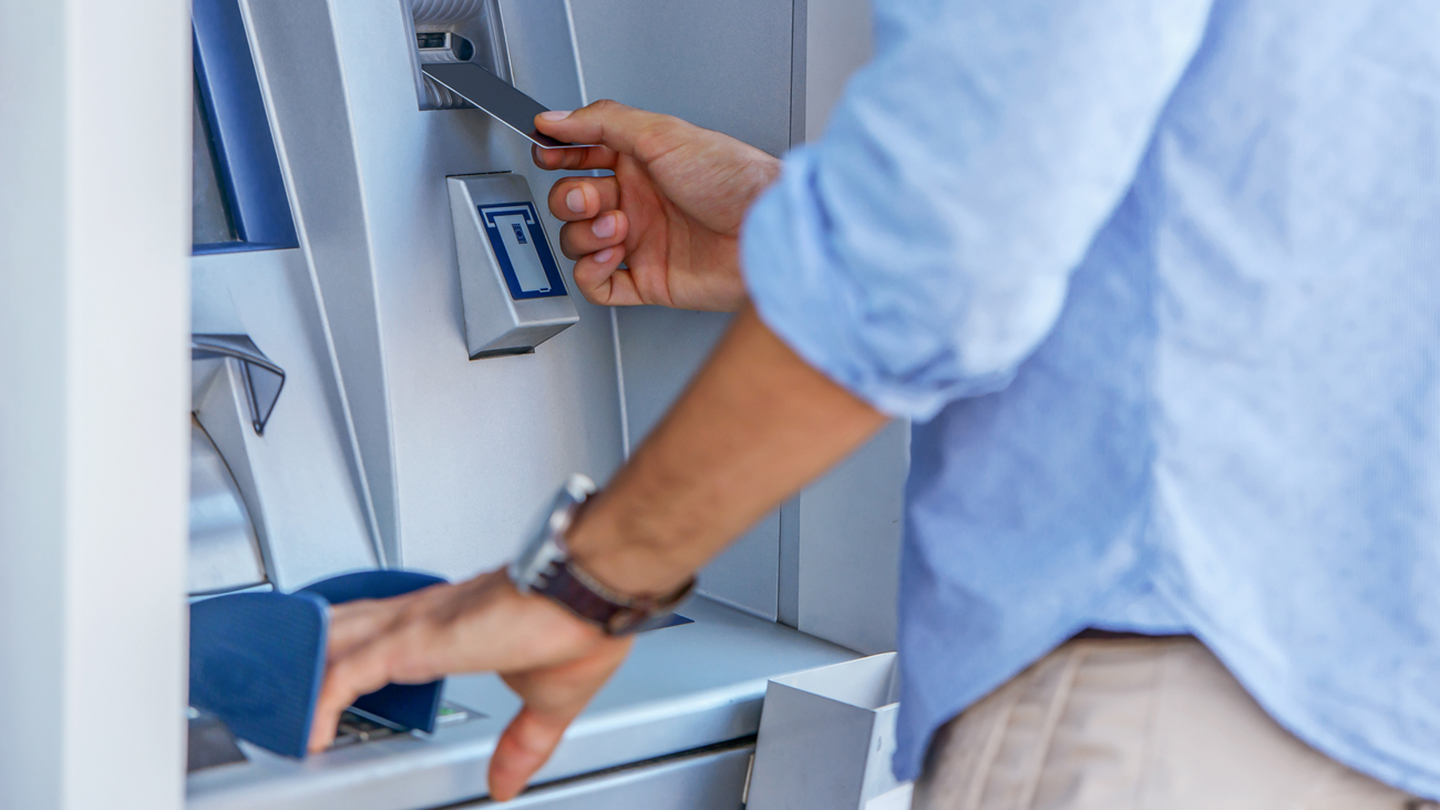
- Guard Your PIN: Memorize your PIN and never write it down or share it with anyone, not even family. When entering your PIN at an ATM or POS terminal, always cover the keypad with your hand to prevent “shoulder surfing.”
- Inspect ATMs and Card Readers: Before inserting your card, visually inspect the ATM or card reader for anything unusual. Look for loose parts, misaligned graphics, or devices that don’t seem to belong. If something feels off, find another machine.
- Sign Your Card: Sign the back of your debit and credit cards as soon as you receive them. An unsigned card is technically invalid and might make it harder to dispute fraudulent charges.
- Keep Your Card Secure: Always keep your cards in a secure wallet or purse, and never leave them unattended. Avoid carrying too many cards you don’t frequently use.
- Be Present During Transactions: Whenever possible, ensure your card is swiped or dipped in your presence. Don’t let merchants take your card to the back of a store.
- Shred Sensitive Documents: Before discarding any documents containing financial information (bank statements, credit card offers, old receipts), shred them thoroughly.
- Cut Up Old Cards: When your cards expire or are replaced, cut them diagonally through the chip and magnetic stripe before disposing of them.
II. Online Security (E-commerce and Digital Payments)
- Shop on Secure Websites: Always look for “https://” in the website’s URL and a padlock icon in the address bar. This indicates a secure, encrypted connection. Avoid making purchases on websites that only use “http://”.
- Use Trusted Retailers: Stick to reputable and well-known online stores. If a deal seems too good to be true from an unfamiliar website, it likely is.
- Avoid Public Wi-Fi for Transactions: Public Wi-Fi networks are often unencrypted and vulnerable to eavesdropping. If you must conduct financial transactions on public Wi-Fi, use a Virtual Private Network (VPN) to encrypt your connection.
- Never Save Card Details Online: While convenient, saving your card details on e-commerce websites increases your risk during a data breach. It’s safer to re-enter your details each time.
- Leverage Virtual Card Numbers: Many banks and credit card issuers offer virtual card numbers for online transactions. These are temporary, single-use numbers that mask your actual card number, adding an extra layer of security.
- Enable Two-Factor Authentication (2FA): Wherever possible, enable 2FA for your online banking and shopping accounts. This requires a second form of verification (like a code sent to your phone or a fingerprint) in addition to your password, making it much harder for hackers to gain access.
- Use Strong, Unique Passwords: Create strong, complex passwords for your online accounts, especially for banking and shopping. Use a mix of uppercase and lowercase letters, numbers, and symbols. Consider using a password manager to securely store and generate unique passwords.
- Beware of Phishing Links: Never click on suspicious links in emails or text messages, even if they appear to be from your bank. If you receive such a message, go directly to the official website of the organization by typing its URL into your browser.
- Keep Software Updated: Regularly update your operating system, web browser, and antivirus software on all your devices. These updates often include critical security patches that protect against the latest threats.
- Install Antivirus/Anti-malware Software: A reputable antivirus program can help detect and remove malicious software that might attempt to steal your card information.
III. Proactive Monitoring & Response
- Monitor Your Statements Regularly: Review your debit card statements and credit card bills frequently (ideally, daily or weekly through online banking apps). Look for any unfamiliar or suspicious transactions, no matter how small.
- Enable Transaction Alerts: Most banks offer free SMS or email alerts for every transaction made with your card. Enable these alerts to get real-time notifications, allowing you to detect and report unauthorized activity immediately.
- Report Lost/Stolen Cards Immediately: If your debit or credit card is lost, stolen, or you suspect any unauthorized activity, report it to your bank or card issuer immediately. The sooner you report, the less liable you might be for fraudulent charges. Keep your bank’s customer service number handy.
- Monitor Your Credit Report: Regularly check your credit report (you are typically entitled to a free report annually from major credit bureaus). This can help you spot new accounts opened in your name without your authorization, a sign of identity theft.
- Understand EMV Chip Technology: Most modern cards have an EMV chip. This chip generates a unique, encrypted code for each transaction, making it significantly harder for fraudsters to clone your card compared to older magnetic stripe cards. Always “dip” your chip card rather than swiping when a chip reader is available.
By integrating these practices into your daily financial routine, you significantly reduce the risk of becoming a victim of card fraud. Staying vigilant and informed is your best defense in the ongoing battle against cybercriminals.